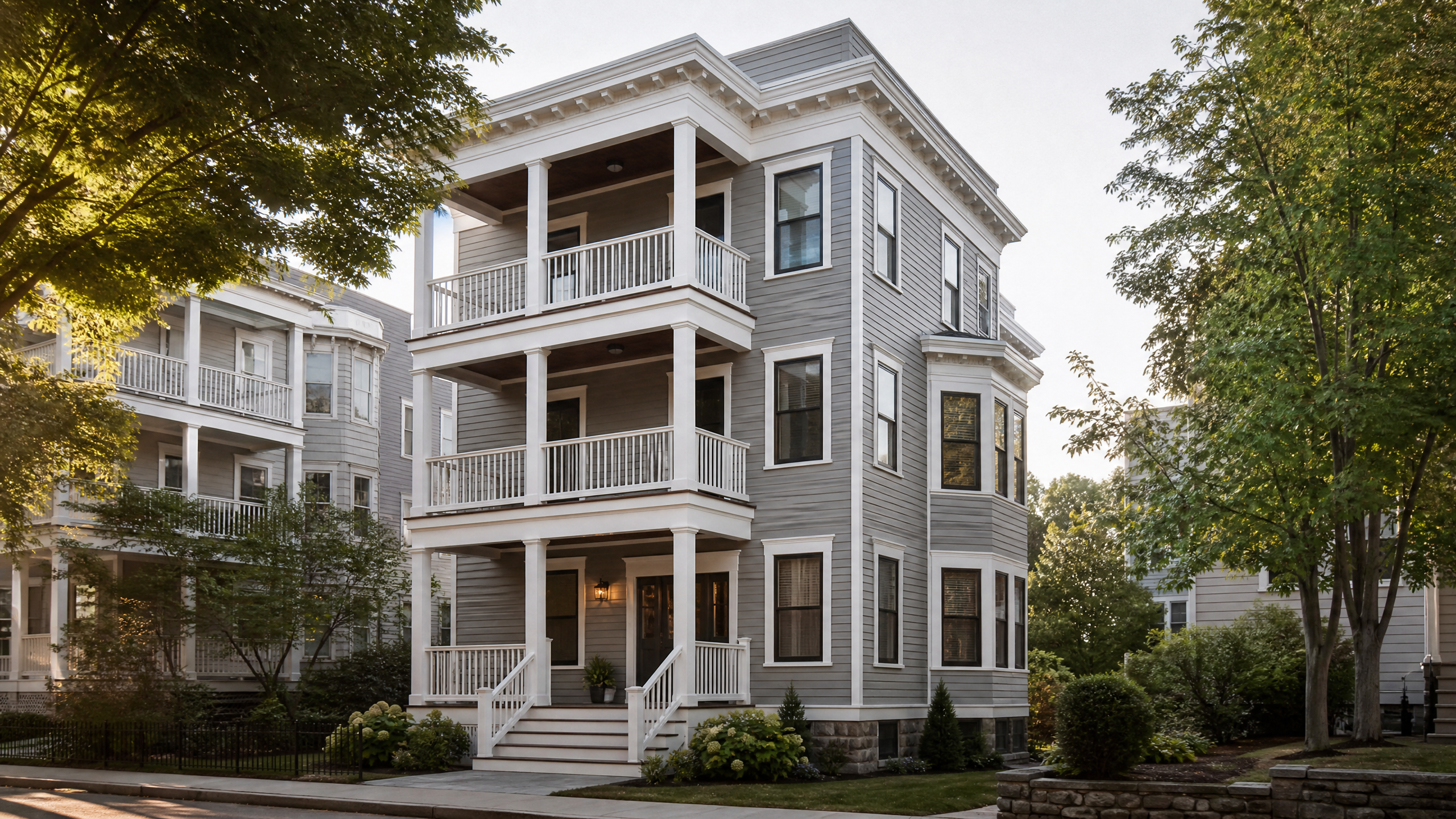
Inheriting a home comes with grief, paperwork, and often a house full of decisions. The good news is that the path to selling is more orderly than it feels, and Massachusetts tax rules are usually on your side. Here are the first five steps, in order.
Here is the short version. Secure the property and the documents, get the personal representative appointed through probate, confirm you have authority to sell, establish the home's value as of the date of death, then prepare and sell. The date-of-death value matters more than most people expect, because it usually resets your tax basis and can wipe out capital gains.
Who this applies to
Anyone who has inherited, or expects to inherit, a home in Greater Boston or on the South Shore, whether you are the named executor, a child of the owner, or one of several heirs deciding what to do with a family property.
Step 1: Secure the property and gather documents
Make sure the home is locked, insured, and maintained. Vacant homes need the heat, water, and insurance kept current, since a lapsed policy on an empty house is a real risk. Start gathering the will, the death certificate, the deed, the mortgage statement, and recent tax and utility bills.
Step 2: Open probate and get the personal representative appointed
You generally cannot sell until the estate has a personal representative appointed by the probate court. Most Massachusetts estates use informal probate, which is faster, and a personal representative can often be in place within a few weeks. Formal probate takes longer and is used when there is a dispute, a missing will, or unknown heirs.
Step 3: Confirm your authority to sell
Being the personal representative does not automatically mean you can sell the house. Check whether the will grants a power of sale. If it does not, or if there is no will, you may need a license to sell from the court before you can close. Confirm this early, because it sets your real timeline.
Step 4: Establish the date-of-death value
Get a clear value for the home as of the date of death. This matters for taxes. Inherited property generally receives a stepped-up basis, meaning your tax basis resets to the fair market value on the date of death. If you sell near that value, you often owe little or no capital gains tax, because you are only taxed on appreciation after you inherited. Separately, Massachusetts has its own estate tax that can apply to larger estates, with a threshold of 2 million dollars for deaths in 2023 or later, so larger estates should confirm the current rules with a professional.
Step 5: Prepare and sell
Now you decide how to sell. Clear out personal property, handle any light repairs or cleanouts that make sense, and price to the current market. Many inherited homes sell as-is, which is completely reasonable when the heirs do not want to invest in updates. The right choice depends on the home's condition, the market, and how quickly the heirs want to be done.
The five steps at a glance
| Step | What you are doing |
|---|---|
| 1 | Secure the home, insurance, and documents |
| 2 | Open probate, get the personal representative appointed |
| 3 | Confirm authority to sell, power of sale or license to sell |
| 4 | Establish date-of-death value, understand stepped-up basis |
| 5 | Prepare, price, and sell, often as-is |
The bottom line
Selling an inherited Massachusetts home follows a clear order: secure it, get appointed, confirm you can sell, value it as of the date of death, then sell. The stepped-up basis usually means little or no capital gains tax, which is a real relief for most families.
FAQ
Common questions, answered.
How soon can I sell an inherited house?
Only after a personal representative is appointed with authority to sell. In informal probate that can be a few weeks.
Will I owe capital gains tax when I sell?
Often little or none. Inherited property usually gets a stepped-up basis to the date-of-death value, so you are only taxed on appreciation after you inherited.
Is there a Massachusetts estate tax?
Yes, and it can apply to estates over 2 million dollars. Smaller estates typically owe none, but larger ones should get professional advice.
Can we sell the home as-is?
Yes. Many inherited homes sell as-is, which spares the heirs from investing in repairs. Whether it is the best move depends on the home and the market.
What if several heirs disagree?
That is common and workable. A clear plan, and sometimes an attorney, keeps it from stalling. I have helped families through this and can point you to the right resources.