The price you set in the first week decides most of what happens next. Price it to the current market and you draw real buyers and often competing offers. Price it on hope and you sit, then chase the market down with cuts that cost you more than pricing right would have.
Here is the short version. Buyers and their agents know the comparable sales as well as you do. The home that is priced accurately from day one tends to sell faster and closer to, or above, asking. The home that starts high tends to sell slower and for less. Your first two weeks on the market are your best two weeks, so do not waste them on a number the market will not meet.
Who this applies to
Any Greater Boston owner getting ready to list, especially anyone tempted to start high and see what happens. That strategy usually backfires in a market where buyers compare your home to everything else the same day.
Why the first two weeks matter most
When your listing goes live, it hits every buyer already searching your area. That is the largest, most motivated audience your home will ever get. Price it right and that audience competes. Price it high and they scroll past, wait, or use your listing to make a lower-priced home look like the better deal. By the time you cut the price, the fresh audience is gone and the home looks stale.
Overpricing vs pricing to the market
| What happens | Overpriced | Priced to the market |
|---|---|---|
| First-two-week interest | Low, buyers wait | High, buyers act |
| Days on market | Longer | Shorter |
| Final sale price | Often below market after cuts | At or above asking |
| Negotiating position | Weakens as it sits | Strong while it is fresh |
| Appraisal risk | Higher if you chase an offer up | Lower, grounded in comps |
How to land on the right number
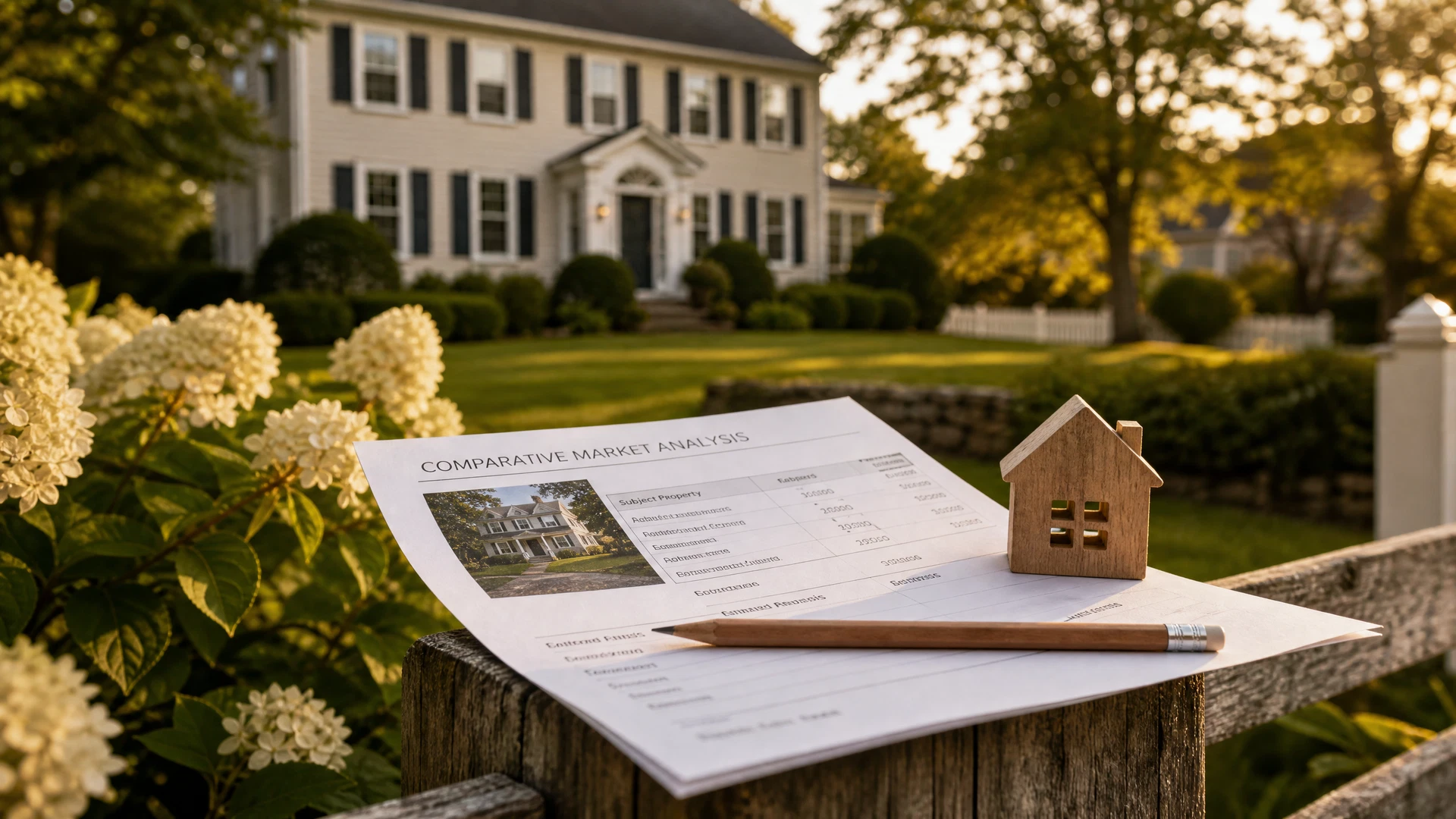
Start with recent comparable sales, not active listings, since sold prices are what buyers and appraisers rely on. Adjust for condition, location, and what makes your home different. Factor in the current pace of your specific town and price band, because Greater Boston is not one market, it is dozens. Then set a price that invites the market in rather than fencing it out.
What separates sellers who win
The sellers who net the most are not the ones who start highest. They are the ones who price accurately, present the home well, and let the market compete. If offers come in strong and fast, that is the pricing working, not a sign you left money on the table.
The bottom line
Price to the current market and use your first two weeks while the audience is largest. Accurate pricing is what produces speed and, often, a higher final number than starting high ever would.
FAQ
Common questions, answered.
Should I price high to leave room to negotiate?
Usually no. High starting prices tend to sit, then sell for less after cuts. Accurate pricing draws competition that works in your favor.
What if I get an offer over asking?
That is often the sign your pricing was right and the market competed. Just watch the appraisal, since the sale still has to support the number.
How do you decide my price?
From recent comparable sales, your home's condition and location, and the current pace of your town and price band. A comparative market analysis gives you the real range.
Can I just start high and lower it later?
You can, but you spend your best two weeks on the wrong audience, and the home can look stale by the time the price is right.